
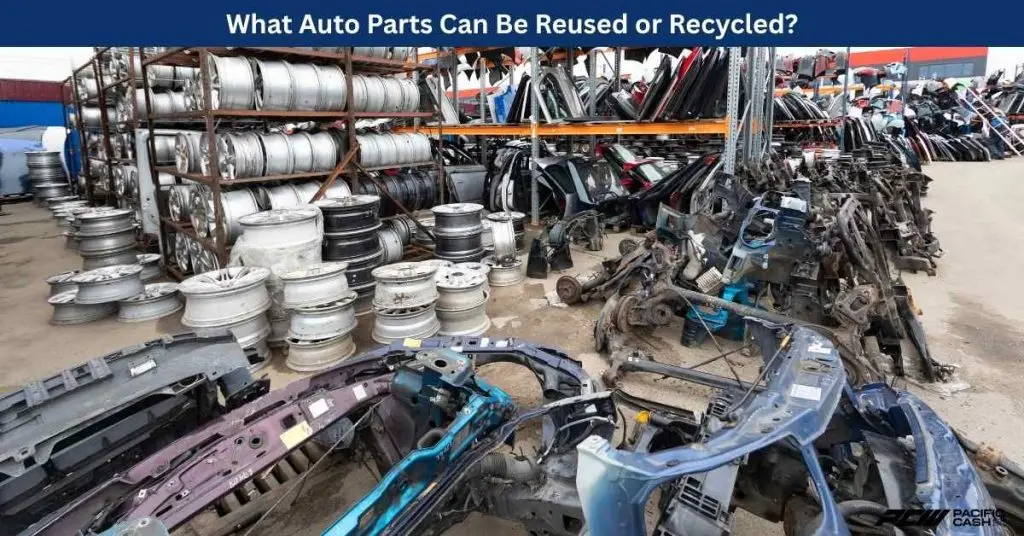
When a vehicle reaches the end of its life, it doesn’t necessarily mean everything inside it is useless. In fact, a large portion of a car can be reused, refurbished, or recycled. This is one of the main reasons the auto recycling industry plays such an important role in reducing waste and recovering value from old vehicles.
Understanding which parts can be salvaged helps explain why scrap cars still have value, even when they are no longer roadworthy.
Why Auto Parts Are Reused and Recycled
Modern vehicles contain a wide range of materials and components that can be recovered and repurposed.
Reusing and recycling parts helps:
- Reduce landfill waste
- Lower manufacturing costs
- Conserve natural resources
- Reduce environmental impact
- Support the circular economy
Many components are still in good condition even after the vehicle stops running.
Engines Can Often Be Refurbished or Reused
One of the most valuable components in a vehicle is the engine.
Depending on its condition, an engine may be:
- Rebuilt and reused in another vehicle
- Sold as a replacement engine
- Dismantled for usable internal parts
- Recycled for metal recovery
Even engines from non-running cars can sometimes be restored by mechanics or rebuilders.
Transmissions Are Highly Valuable
Gearboxes and transmissions are another major reusable component.
They can be:
- Reconditioned for resale
- Installed in compatible vehicles
- Dismantled for usable parts
- Recycled for metal content
Because transmission replacements are expensive, these parts are in high demand.
Batteries Are Recycled for Materials
Car batteries are rarely reused in their original form, but they are highly recyclable.
They contain materials such as:
- Lead
- Plastic casing
- Acid components
These materials are processed and reused in new battery production and other industrial applications.
Wheels, Tyres, and Rims
Wheels and tyres are commonly reused depending on condition.
- Alloy wheels can often be refurbished and resold
- Steel rims may be reused or recycled
- Tyres with sufficient tread may be resold as second-hand tyres
- Worn tyres are recycled into rubber products
Tyres that cannot be reused are often turned into materials for road surfaces or industrial products.
Alternators and Starter Motors
Electrical components like alternators and starter motors are frequently salvaged.
These parts can be:
- Tested and resold as used components
- Reconditioned for resale
- Used for spare parts recovery
They are in demand because they are relatively expensive when purchased new.
Body Panels and Exterior Parts
Many exterior components can be reused if they are undamaged.
Common reusable parts include:
- Doors
- Bonnet (hood)
- Bumpers
- Fenders
- Side mirrors
- Boot lids
These parts are often resold for accident repairs or restorations.
Interior Components Can Be Salvaged
Interior parts can also retain value, especially if they are in good condition.
These may include:
- Seats
- Dashboard components
- Steering wheels
- Air conditioning controls
- Infotainment systems
Clean, undamaged interiors are especially attractive to repair shops and restorers.
Catalytic Converters Are Highly Valuable
Catalytic converters are one of the most valuable recycled components in a vehicle.
They contain precious metals such as:
- Platinum
- Palladium
- Rhodium
These metals are extracted and reused in industrial applications, making catalytic converters highly sought after in the recycling market.
Radiators and Cooling System Parts
Cooling system components are often reusable or recyclable.
This includes:
- Radiators
- Water pumps
- Cooling fans
- Hoses (if in good condition)
Metal parts are recycled, while some components may be refurbished for reuse.
Fuel System Components
Depending on condition, fuel system parts may also be reused.
These can include:
- Fuel pumps
- Fuel tanks
- Injectors
- Carburettors (in older vehicles)
However, these parts must be carefully inspected before reuse.
Glass and Lighting Components
Some glass and lighting parts can be reused if they are undamaged.
These include:
- Headlights
- Tail lights
- Side indicators
- Mirrors
- Windscreens (less commonly reused, but recyclable)
Plastic and glass materials are also recycled into other products.
Metals Are Fully Recycled
Even when individual parts cannot be reused, the vehicle’s structure still holds value.
Common recycled metals include:
- Steel (body and frame)
- Aluminium (engine parts, wheels)
- Copper (wiring systems)
- Brass and other alloys
These metals are melted down and used in manufacturing new products.
Why Not Everything Can Be Reused
Some parts are not suitable for reuse due to:
- Wear and tear
- Safety concerns
- Damage or corrosion
- Technological obsolescence
- Environmental regulations
However, even these parts are usually recycled rather than wasted.
How Auto Recycling Companies Maximise Value
Professional auto recyclers carefully dismantle vehicles to extract as much value as possible.
They typically:
- Test reusable parts
- Separate metals by type
- Process hazardous materials safely
- Sell functional components
- Recycle remaining shells
This process ensures minimal waste.
The Environmental Benefit of Reusing Parts
Reusing and recycling auto parts significantly reduces environmental impact.
Benefits include:
- Lower demand for new manufacturing
- Reduced mining for raw materials
- Less landfill waste
- Lower carbon emissions
- More sustainable resource use
Every reused part contributes to a more efficient recycling system.
Almost Every Car Has Something Valuable Left
Even vehicles that are no longer running can still contain many usable components. From engines and transmissions to smaller electrical parts and recyclable metals, nearly every car has value at the end of its life.
Understanding what can be reused or recycled helps explain why scrap vehicles are still worth money and highlights the importance of responsible auto recycling. Instead of being waste, old cars become a source of parts, materials, and environmental benefit.
If you are in St Albans, and looking for a cash for cars service, this is the best way to visit us.