
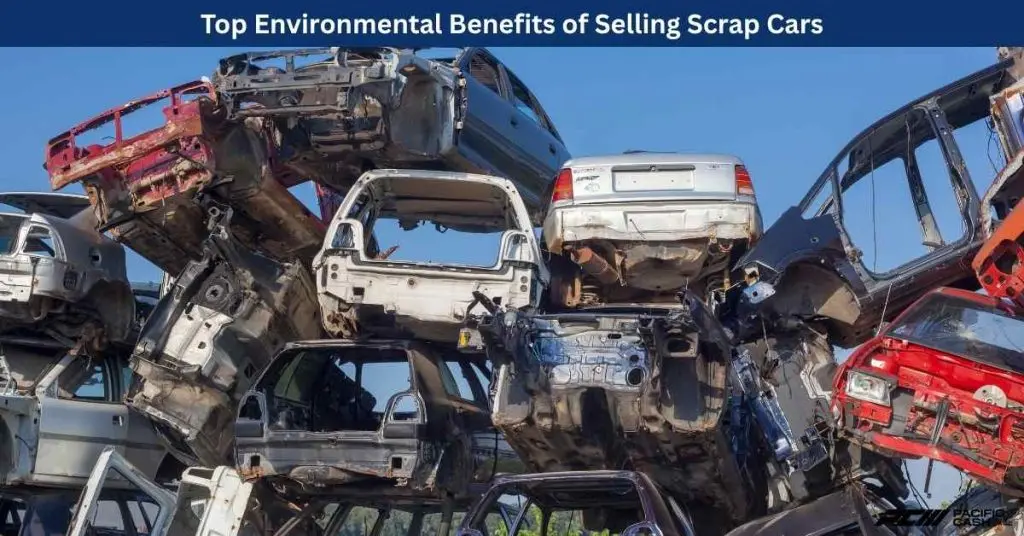
Old, damaged, or non-running vehicles are often seen as useless, but in reality they can play an important role in protecting the environment. When a scrap car is properly recycled instead of being left to rust or dumped, it helps recover valuable materials, reduce pollution, and support a more sustainable use of resources.
Understanding the environmental benefits of selling scrap cars shows why auto recycling is much more than just a way to make quick cash, it’s also a responsible choice for the planet.
Reduces Landfill Waste
One of the biggest environmental benefits of scrap car recycling is reducing landfill waste.
Vehicles contain many materials that do not break down easily, such as:
- Metals
- Plastics
- Glass
- Rubber
If a car is not recycled properly, these materials can sit in landfills for decades. Recycling ensures that most of the vehicle is reused or processed instead of being discarded.
Conserves Natural Resources
Manufacturing new car parts requires large amounts of raw materials extracted from the earth.
By recycling scrap cars, we reduce the need to mine and process:
- Iron ore (for steel)
- Bauxite (for aluminium)
- Copper ores
- Rare metals
Reusing existing materials helps conserve natural resources and reduces environmental damage caused by mining activities.
Lowers Energy Consumption
Producing new metals from raw materials uses a significant amount of energy. In contrast, recycling metals from scrap cars requires far less energy.
For example:
- Recycling steel uses significantly less energy than producing it from iron ore
- Aluminium recycling saves a large percentage of the energy required for new production
- Copper recovery reduces energy-intensive mining processes
This reduction in energy use also helps lower overall greenhouse gas emissions.
Reduces Greenhouse Gas Emissions
Scrap car recycling plays an important role in reducing carbon emissions.
When vehicles are recycled instead of being manufactured from raw materials, it leads to:
- Lower industrial emissions
- Reduced fuel consumption in mining and transport
- Less energy demand in manufacturing
This contributes to global efforts to slow climate change.
Prevents Soil and Water Pollution
Abandoned or improperly disposed vehicles can leak harmful fluids into the environment.
These may include:
- Engine oil
- Transmission fluid
- Brake fluid
- Coolant
- Fuel
If not handled correctly, these substances can contaminate soil and groundwater. Proper recycling ensures these fluids are safely removed and disposed of according to environmental regulations.
Supports Metal Recycling and Reuse
Cars are made up of a high percentage of recyclable metals.
Commonly recovered metals include:
- Steel
- Aluminium
- Copper
- Brass
These materials are melted down and reused in manufacturing new products, reducing the need for new mining and lowering environmental impact.
Reduces the Need for New Manufacturing
Recycling scrap vehicles helps supply the automotive and manufacturing industries with usable materials and parts.
This means:
- Fewer new parts need to be produced from scratch
- Less industrial waste is generated
- Manufacturing processes become more efficient
Reusing parts also extends the life cycle of existing materials.
Encourages Responsible Waste Management
Selling scrap cars to professional recyclers ensures vehicles are dismantled in an environmentally responsible way.
Proper recycling facilities:
- Remove hazardous materials safely
- Sort reusable components
- Recycle metals efficiently
- Dispose of waste responsibly
This prevents illegal dumping and reduces environmental harm.
Helps Recover Usable Auto Parts
Many parts from scrap vehicles can be reused, reducing the demand for new production.
Common reusable components include:
- Engines and transmissions
- Alternators and starters
- Doors and body panels
- Wheels and tyres (in good condition)
- Electrical components
Reusing parts extends their lifespan and reduces waste.
Reduces Visual Pollution and Abandoned Vehicles
Old, unused vehicles left in yards or streets contribute to visual pollution and environmental degradation.
Selling scrap cars helps:
- Clear up unwanted vehicles
- Improve local surroundings
- Prevent long-term environmental decay
- Free up valuable space
This also improves community cleanliness and safety.
Supports the Circular Economy
Scrap car recycling is a key part of the circular economy, where materials are reused instead of discarded.
In this system:
- Old cars become sources of raw materials
- Parts are reused instead of replaced
- Waste is minimised
- Resources are kept in circulation longer
This creates a more sustainable and efficient economic model.
Reduces Demand for Mining and Extraction
Mining has a significant environmental footprint, including:
- Deforestation
- Habitat destruction
- Soil erosion
- Water pollution
By recycling scrap vehicles, the demand for newly mined materials decreases, helping protect natural ecosystems.
A Simple Action With a Big Impact
Selling a scrap car may seem like a small decision, but it has a meaningful environmental impact. Every recycled vehicle helps reduce waste, conserve resources, and lower pollution.
By choosing to recycle instead of abandoning or storing an unused vehicle, you are contributing to a cleaner and more sustainable environment.
Responsible Recycling Benefits Everyone
Scrap car recycling is not just about getting rid of an old vehicle, it’s about making a responsible environmental choice. From reducing landfill waste to saving energy and protecting natural resources, the benefits are wide-ranging and long-lasting.
When a vehicle reaches the end of its life, recycling ensures it continues to provide value in a way that benefits both people and the planet.
If you are in Rockbank, and looking for a cash for cars service, this is the best way to visit us