
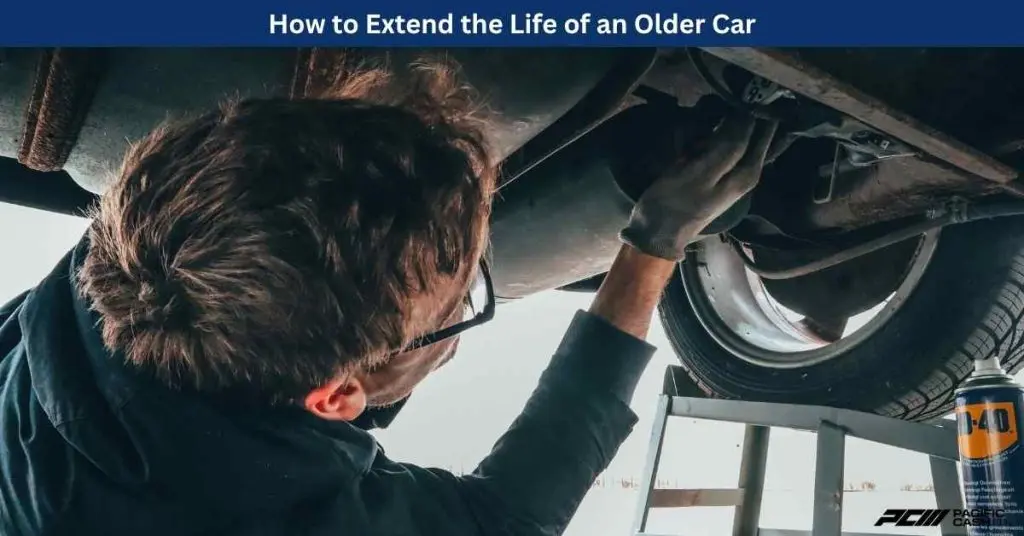
Older cars can still be reliable, practical, and cost-effective if they are properly maintained. In many cases, the difference between a car that lasts 10 years and one that lasts 20+ years comes down to how it is cared for, not just how it was built.
Extending the life of an older vehicle is all about consistency, regular maintenance, early problem detection, and mindful driving habits.
Stick to a Regular Maintenance Schedule
Routine servicing is the most important factor in keeping an older car running smoothly.
Make sure you:
- Change engine oil on time
- Replace oil and air filters regularly
- Service the cooling system
- Check brake fluid and transmission fluid
- Follow manufacturer service intervals
Skipping services may save money short-term but leads to expensive repairs later.
Pay Attention to Engine Health
The engine is the heart of your car, especially in older vehicles.
Watch for:
- Unusual noises
- Excess smoke from exhaust
- Rough idling
- Loss of power
- Warning lights on the dashboard
Catching issues early can prevent major engine damage.
Keep the Cooling System in Good Condition
Overheating is one of the biggest threats to older cars.
To prevent this:
- Check coolant levels regularly
- Inspect radiator hoses for cracks
- Flush the cooling system periodically
- Ensure the radiator fan is working properly
A healthy cooling system protects the engine from long-term damage.
Take Care of the Transmission
Transmission repairs are expensive, so proper care is essential.
Helpful habits include:
- Changing transmission fluid when needed
- Avoiding harsh acceleration
- Not overloading the vehicle
- Addressing shifting issues early
Smooth gear changes are a good sign of transmission health.
Don’t Ignore Suspension and Steering Wear
Older cars often develop suspension wear over time.
Look out for:
- Uneven tyre wear
- Clunking or knocking sounds
- Loose or unstable steering
- Excess bouncing over bumps
Replacing worn suspension parts improves safety and comfort.
Keep the Battery and Electrical System Healthy
Electrical issues become more common as cars age.
To reduce problems:
- Test the battery regularly
- Clean battery terminals
- Check alternator performance
- Inspect wiring for damage
A weak electrical system can cause starting and reliability issues.
Maintain the Braking System
Brakes are critical for safety and should never be neglected.
Regular checks should include:
- Brake pad thickness
- Brake fluid condition
- Rotor wear
- Unusual noises when braking
Replacing worn parts early prevents more costly repairs.
Drive Smoothly and Avoid Harsh Use
Driving habits have a big impact on vehicle lifespan.
To extend your car’s life:
- Avoid sudden acceleration and braking
- Warm up the engine before long drives (especially older engines)
- Drive at steady speeds where possible
- Avoid overloading the vehicle
Gentle driving reduces stress on all components.
Keep It Clean Inside and Out
Regular cleaning helps prevent long-term damage.
This includes:
- Washing to prevent rust and corrosion
- Waxing the paint for protection
- Cleaning the underbody when possible
- Keeping the interior dust-free
Dirt and moisture are major contributors to ageing and wear.
Protect Against Rust and Corrosion
Rust is one of the biggest threats to older cars, especially in humid or coastal areas.
To reduce risk:
- Wash the car regularly, especially underneath
- Fix paint chips quickly
- Apply rust protection treatments if needed
- Keep the car dry when parked
Preventing rust early is much easier than repairing it later.
Replace Worn Parts Before They Fail
Older vehicles benefit from preventive maintenance.
Common parts that may need replacement include:
- Timing belts or chains (if applicable)
- Spark plugs
- Belts and hoses
- Sensors and switches
- Rubber seals and gaskets
Replacing worn components early avoids breakdowns.
Use Quality Fluids and Parts
Using the right materials helps extend engine and component life.
Always:
- Use manufacturer-recommended oil grades
- Choose quality replacement parts
- Avoid cheap or unverified components
- Follow service recommendations
Good-quality parts often last longer and perform better.
Store the Vehicle Properly
Where and how you park your car matters.
Try to:
- Park in a garage or shaded area
- Avoid long-term exposure to sun and rain
- Use a car cover if needed
- Keep tyres properly inflated during storage
Proper storage reduces wear and environmental damage.
Get Regular Inspections
Even if your car seems fine, inspections help detect hidden issues.
A mechanic can check:
- Engine condition
- Brake and suspension wear
- Fluid leaks
- Electrical system health
Early detection prevents expensive breakdowns.
A Little Care Goes a Long Way
Older cars don’t automatically become unreliable. With proper maintenance, careful driving, and timely repairs, many vehicles can stay on the road for years beyond their expected lifespan.
The key is consistency, small maintenance habits add up to long-term reliability and fewer costly surprises.
Making Your Car Last Longer Is Always Possible
Extending the life of an older car is about prevention, not reaction. Regular servicing, gentle driving, and early attention to small issues can significantly increase reliability and safety.
By treating maintenance as an ongoing habit rather than a one-time task, you can get the most value and lifespan out of your vehicle while avoiding unnecessary repair costs.
If you are in Deanside, and looking for a cash for cars service, this is the best way to visit us.