
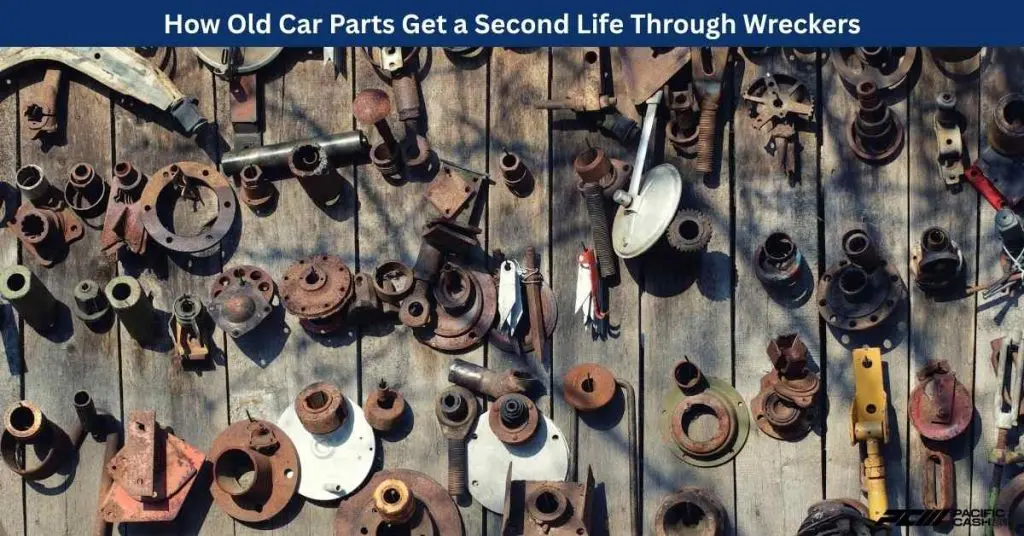
When a car reaches the end of its usable life, it doesn’t simply become waste. In most cases, it is sent to auto wreckers where it is carefully dismantled, sorted, and processed. Far from being destroyed, many parts are given a “second life” through reuse, refurbishment, or recycling.
This process is a key part of the automotive recycling industry and helps reduce waste while making affordable parts available to other vehicle owners.
What Auto Wreckers Actually Do
Auto wreckers specialise in breaking down old, damaged, or unwanted vehicles in a controlled and efficient way.
Their process usually involves:
- Assessing the vehicle’s condition
- Removing usable parts
- Testing and cleaning components
- Sorting materials for recycling
- Disposing of hazardous waste safely
Instead of letting a vehicle sit unused, wreckers extract as much value as possible from it.
Why Car Parts Are Reused Instead of Discarded
Many car components still have useful life left in them even when the vehicle no longer runs.
Parts are reused because:
- They are still in working condition
- Replacement parts are expensive
- Demand for second-hand components is high
- Recycling reduces environmental impact
- It extends the life cycle of materials
This creates a more sustainable and cost-effective automotive system.
Engines Get Rebuilt and Resold
Engines are among the most valuable components recovered by wreckers.
Depending on their condition, they may be:
- Rebuilt and refurbished
- Tested and resold as used engines
- Dismantled for internal parts
- Recycled for metal recovery
A well-maintained engine from a scrap vehicle can power another car for years.
Transmissions Are Often Reconditioned
Gearboxes and transmissions are complex and expensive components, making them highly valuable in the second-hand market.
Wreckers typically:
- Inspect for damage and wear
- Recondition usable units
- Sell compatible replacements
- Salvage internal gears and parts
This gives older vehicles a cost-effective repair option.
Body Panels Find Their Way to Repairs
Exterior parts are frequently reused, especially if they are undamaged.
Common reusable body parts include:
- Doors
- Bonnets (hoods)
- Bumpers
- Fenders
- Boot lids
These parts are often used for accident repairs, restoring vehicles without the cost of brand-new components.
Interior Parts Get a Second Chance
Interior components are also in demand, especially for older or discontinued models.
Wreckers often resell:
- Seats
- Dashboard components
- Steering wheels
- Centre consoles
- Air conditioning controls
If they are clean and undamaged, these parts can be reused almost immediately.
Wheels, Tyres, and Rims Are Frequently Resold
Wheels and tyres are carefully inspected before being reused.
Depending on condition:
- Alloy wheels may be refurbished and resold
- Steel rims can be reused or recycled
- Tyres with good tread are resold second-hand
- Worn tyres are recycled into rubber products
This helps reduce waste while offering affordable alternatives to new parts.
Electrical Components Are Tested and Reused
Modern vehicles contain many electrical systems that can still function after the car is scrapped.
Wreckers commonly salvage:
- Alternators
- Starter motors
- Sensors
- Wiring harnesses
- Control modules
These parts are tested before resale to ensure reliability.
Catalytic Converters Are Highly Valuable
One of the most important parts recovered by wreckers is the catalytic converter.
It contains precious metals such as:
- Platinum
- Palladium
- Rhodium
These materials are extracted and reused in industrial manufacturing, making catalytic converters one of the most valuable recycled components.
Batteries and Fluids Are Properly Processed
Not all parts can be reused, but even waste materials are handled responsibly.
Wreckers ensure:
- Batteries are recycled for lead and plastic
- Engine oil is safely collected and processed
- Coolants and fluids are disposed of correctly
- Hazardous materials are managed under regulations
This prevents environmental contamination.
Metal Frames Are Fully Recycled
After usable parts are removed, the remaining car shell is crushed and recycled.
Materials recovered include:
- Steel from the body
- Aluminium components
- Copper wiring
- Mixed alloys
These metals are melted down and reused in manufacturing new products.
Why Used Parts Are in High Demand
Second-hand auto parts are popular because they offer:
- Lower cost compared to new parts
- Availability for older or rare vehicles
- Faster repairs
- Environmentally friendly solutions
Many mechanics rely on wreckers to source affordable replacement parts.
How Wreckers Help Reduce Waste
Auto wreckers play a major role in reducing automotive waste by:
- Extending the life of usable parts
- Reducing landfill waste
- Recycling materials efficiently
- Supporting sustainable manufacturing
This helps keep millions of tonnes of material in circulation instead of being discarded.
A Sustainable Cycle for Old Vehicles
The work of auto wreckers ensures that vehicles continue to provide value even after they stop running.
The cycle typically looks like this:
- Vehicle arrives at the wrecking yard
- Usable parts are removed
- Parts are tested and resold
- Remaining materials are recycled
- Waste is safely disposed of
This system supports both the environment and the automotive industry.
Old Cars Still Have a Future
Even when a car is no longer roadworthy, it still contains valuable parts and materials. Through auto wreckers, these components are given a second life, helping other vehicles stay on the road while reducing environmental impact.
Instead of being wasted, old cars become a source of reusable parts, recycled materials, and sustainable value.
If you are in Essendon, and looking for a cash for cars service, this is the best way to visit us.